PDF(1754 KB)

欧洲七叶树和红花七叶树花青素合成基因qRT-PCR内参基因的筛选
李玉岭, 毛欣, 毛秀红, 孙音, 刘翠兰, 闫少波, 张谦, 甘四明
南京林业大学学报(自然科学版) ›› 2026, Vol. 50 ›› Issue (3) : 201-211.
PDF(1754 KB)
 PDF(1754 KB)
欧洲七叶树和红花七叶树花青素合成基因qRT-PCR内参基因的筛选
Screening of qRT-PCR internal reference genes for flower colour-related genes in Aesculus hippocastanum and A. × carnea
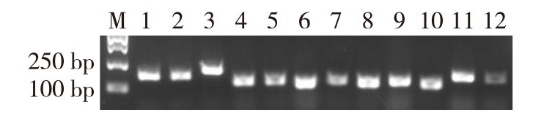
【目的】筛选适合欧洲七叶树(Aesculus hippocastanum)和红花七叶树(A. × carnea)花青素合成途径相关基因实时荧光定量PCR(quantitative real-time PCR,qRT-PCR)表达分析的内参基因。【方法】根据欧洲七叶树和红花七叶树转录组数据,选择12个内参基因,采用qRT-PCR并结合geNorm、NormFinder、BestKeeper及RefFinder软件分析得出最适内参基因,利用10个花青素合成基因(结构基因C4H、CHI、F3'H、DFR、F3'5'H、ANS、UFGT和转录因子基因MYB4、bHLH、WRKY75)在不同颜色花中进行表达分析,验证筛选内参基因的稳定性。【结果】在欧洲七叶树和红花七叶树不同发育阶段的花中,GAPDH、UBC、EIF5A表达稳定性高,HIS3和UBQ表达稳定性低;在不同组织中,GAPDH、UBC、CYP表达稳定性也较高,UBQ和TUB表达稳定性低;综合分析表明,GAPDH、UBC可作为最稳定的内参基因,UBQ稳定性最低,不适合作为内参基因。以GAPDH、UBC、(GAPDH+UBC)组合及(GAPDH+UBC +CYP)组合为内参基因校正10个花青素合成基因相对表达量,其相对表达水平与转录组数据的一致性得到验证。【结论】GAPDH、UBC、(GAPDH+UBC)组合可作为内参基因用于研究欧洲七叶树和红花七叶树花青素合成途径关键基因的表达分析,为花色形成的分子机理研究奠定理论基础。
【Objective】The accurate normalisation of quantitative real-time PCR(qRT-PCR)data is contingent on the utilisation of stable reference genes. The objective of this study was to identify and validate suitable reference genes for studying the expression of genes involved in the anthocyanin biosynthesis pathway in two horse chestnut species: Aesculus hippocastanum(common horse chestnut)and A. × carnea(red horse chestnut)are two different species of horse chestnut. Anthocyanins are vital pigments that are responsible for the red,purple and blue colours observed in flowers. In order to comprehend the metabolic regulation of these pigments,reliable gene expression profiling is essential. The selection of optimal reference genes is critical to ensure accurate and reproducible results in qRT-PCR analyses under specific experimental conditions,such as different flower developmental stages and tissue types.【Method】In light of the extant transcriptome data from A. hippocastanum and A. × carnea,a total of twelve candidate reference genes were selected for subsequent validation. The expression stability of the genes under investigation was systematically evaluated across a range of samples,including flowers at different developmental stages and diverse tissues. qRT-PCR was performed to amplify the genes of interest,and their stability was then ranked using four widely recognised algorithms: geNorm,NormFinder,BestKeeper and RefFinder. Each algorithm employs a distinct statistical approach to assess gene stability,thereby providing a comprehensive evaluation. In order to validate the suitability of the selected reference genes,ten key genes involved in anthocyanin synthesis were chosen for expression analysis. These included structural genes such as trans-cinnamate 4-hydroxylase(C4H),chalcone isomerase(CHI),flavonoid 3'-hydroxylase(F3'H),dihydroflavonol 4-reductase(DFR). The following enzymes and regulatory transcription factors genes were identified in the study: flavonoid 3'5'-hydroxylase(F3'5'H),anthocyanidin synthase(ANS),and flavonoid glucosyltransferase(UFGT),along with regulatory transcription factors genes MYB4,bHLH,and WRKY75. The expression patterns of the genes under investigation were examined in flowers of different colours. The relative expression values were then normalized using the top-ranked reference genes. These values were then compared with transcriptomic data in order to confirm consistency and reliability.【Result】The stability of reference genes varied depending on the sample type. In flowers at different stages of development in both A. hippocastanum and A. × carnea,glyceraldehyde-3-phosphate dehydrogenase(GAPDH),ubiquitin-conjugating enzyme(UBC),and eukaryotic translation initiation factor 5A(EIF5A)exhibited the highest expression stability,while histone H3(HIS3)and polyubiquitin-A(UBQ)showed the lowest stability. In contrast,when different tissues were compared,GAPDH,UBC,and peptidyl-prolyl cis-trans isomerase pin1(CYP)were identified as the most stable,whereas UBQ and tubulin alpha chain(TUB)were the least stable. In general,GAPDH and UBC were found to be the most appropriate reference genes across both sample sets,while UBQ was identified as the least suitable. The validity of these genes was further confirmed by normalising the expression of the ten anthocyanin-related genes using four different strategies. The study utilised a range of experimental groups,including GAPDH alone,UBC alone,a combination of GAPDH and UBC,and a three-gene combination including GAPDH,UBC and CYP. The relative expression levels obtained through these normalisation methods exhibited strong agreement with the expression trends observed in the transcriptome data,thus confirming that the use of these reference genes ensures accurate and reliable quantification of target gene expression.【Conclusion】This study demonstrates that GAPDH and UBC,either as individual reference genes or in combination,are optimal for qRT-PCR analysis of anthocyanin biosynthesis genes in A. hippocastanum and A. × carnea. The stability of these genes across different stages of flower development and various tissue types provides a robust foundation for future expression studies. The utilisation of these reference genes will enable precise investigation into the molecular mechanisms underlying flower colour formation in these species,thereby supporting further functional genomic research and biotechnological applications aimed at modulating pigment accumulation in horse chestnuts.
欧洲七叶树 / 红花七叶树 / 花青素合成 / 内参基因 / 实时荧光定量PCR / 基因表达
Aesculus hippocastanum. / A. × carnea / anthocyanin biosynthesis / reference genes / qRT-PCR / gene expression
| [1] |
|
| [2] |
|
| [3] |
|
| [4] |
|
| [5] |
|
| [6] |
|
| [7] |
|
| [8] |
|
| [9] |
|
| [10] |
|
| [11] |
|
| [12] |
|
| [13] |
|
| [14] |
|
| [15] |
|
| [16] |
|
| [17] |
|
| [18] |
姚李祥, 潘春柳, 余丽莹, 等. 草果种子休眠解除过程中QRT-PCR内参基因筛选[J]. 中国中药杂志, 2021, 46(15):3832-3837.
|
| [19] |
杨阳, 叶碧欢, 宋其岩, 等. 多花黄精块茎发育和胁迫条件下QPCR内参基因的筛选与验证[J]. 中国中药杂志, 2020, 45(24):5967-5975.
|
| [20] |
刘小飞, 于波, 黄丽丽, 等. 杜鹃红山茶实时定量PCR内参基因筛选及验证[J]. 广东农业科学, 2020, 47(12):203-211.
|
| [21] |
张雪, 王荔, 瞿飞, 等. 红梨实时荧光定量PCR内参基因的筛选[J]. 农业生物技术学报, 2019, 27(2):361-370.
|
| [22] |
苏西娅, 石元豹, 杨晓明, 等. 银杏实时荧光定量PCR分析中内参基因的选择与验证[J]. 植物生理学报, 2019, 55(6):875-882.
|
| [23] |
许丹芸, 张辉菊, 刘基柱, 等. 肉桂和大叶清化桂内参基因的筛选和验证[J]. 中国实验方剂学杂志, 2021, 27(4):137-144.
|
| [24] |
|
| [25] |
|
| [26] |
李永平, 叶新如, 王彬, 等. 黄秋葵实时荧光定量PCR内参基因的克隆与筛选评价[J]. 核农学报, 2021, 35(1):60-71.
|
| [27] |
肖翠, 严佳文, 龙桂友, 等. 柑橘内参基因的稳定性评价[J]. 果树学报, 2012, 29(6):978-984.
|
| [28] |
叶勇,
|
| [29] |
马璐琳, 段青, 王祥宁, 等. 桔梗不同花色实时定量PCR内参基因的筛选及验证[J/OL]. 分子植物育种, 2022:1-15.(2022-11-17). https://kns.cnki.net/kcms/detail/46.1068.S.20221116.1153.014.html.
|
| [30] |
王彦杰, 陈叶清, 薛泽云, 等. 荷花花瓣着色过程实时荧光定量PCR内参基因的筛选及验证[J]. 南京农业大学学报, 2017, 40(3):408-415.
|
| [31] |
马璐琳, 段青, 崔光芬, 等. 钝裂银莲花花色素合成相关基因qRT-PCR内参基因的筛选[J]. 园艺学报, 2021, 48(2):377-388.
|
| [32] |
|
| [33] |
|
| [34] |
|
| [35] |
|
| [36] |
马璐琳, 崔光芬, 王祥宁, 等. 西南鸢尾花色变异实时定量PCR内参基因的筛选与验证[J]. 核农学报, 2019, 33(9):1707-1716.
|
| [37] |
李红英, 陈萌笛, 王政博, 等. 镉胁迫下构树qRT-PCR内参基因筛选及验证[J]. 林业科学研究, 2023, 36(4):129-138.
|
| [38] |
齐香玉, 陈双双, 冯景, 等. 茉莉花实时荧光定量PCR内参基因的筛选与验证[J]. 华北农学报, 2020, 35(6):22-30.
|
| [39] |
|
| [40] |
|
| [41] |
|
| [42] |
|
| [43] |
|
| [44] |
|
/
| 〈 |
|
〉 |