PDF(1576 KB)

低温生物脱氮强化技术的研究进展
张效淳, 刘明辉, 朱敏, 杨媛媛, 吴俊康, 荆肇乾
南京林业大学学报(自然科学版) ›› 2026, Vol. 50 ›› Issue (5) : 283-293.
PDF(1576 KB)
 PDF(1576 KB)
低温生物脱氮强化技术的研究进展
Advances in enhanced biological nitrogen removal under low-temperature conditions
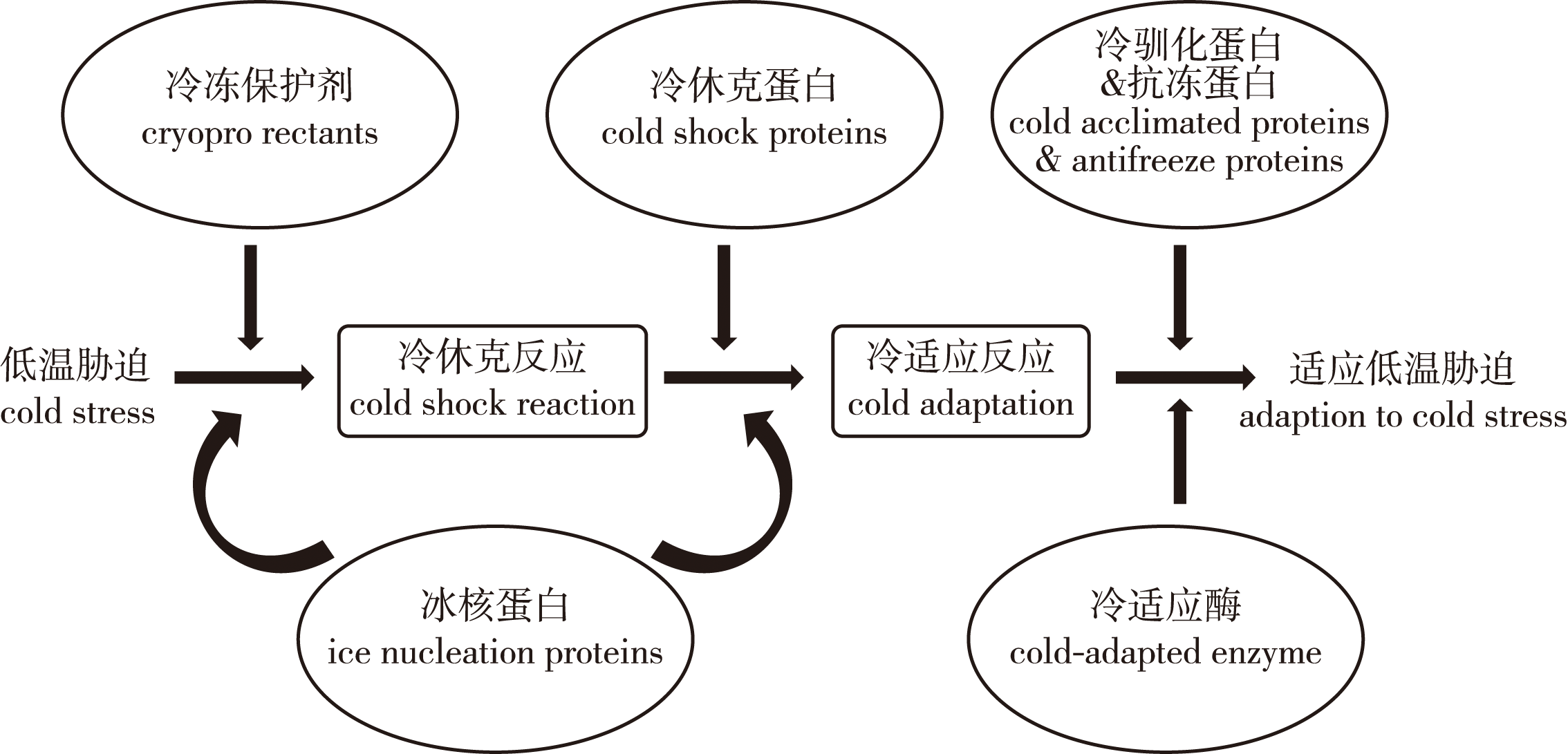
氨氮是导致水体富营养化的主要污染物之一。低温会显著抑制污水处理厂的生物脱氮性能,导致出水中氨氮等浓度升高,影响受纳水体的生态环境安全。笔者系统综述了低温条件下生物脱氮面临的主要问题与强化技术,深入探讨了脱氮功能微生物的低温响应特性与潜在耐冷机理。总结认为:低温(<15 ℃)会导致微生物细胞膜流动性变差、酶活性下降及群落结构失衡,致使脱氮效能显著降低;通过工艺参数优化(如延长水力停留时间、调控溶解氧及碳源投加)、功能性填料开发、基于群体感应的菌群调控及耐冷菌剂投加可有效缓解低温抑制;耐冷微生物通过调节细胞膜组分、合成冷适应酶与冷休克蛋白及分泌胞外聚合物(EPS)等策略适应低温胁迫;其中,氨氧化古菌、完全氨氧化菌(Comammox)和异养硝化-好氧反硝化细菌相较于传统氨氧化细菌表现出显著的低温竞争优势。未来研究应重视开发低成本菌剂固定化与抗流失技术,设计基于纳米材料或仿生结构的新型功能填料,深入解析Comammox菌的耐冷机制及其种间协同代谢途径,利用多组学技术(宏基因组学、转录组学等)阐明耐冷调控网络,并探索生物强化-电化学等多技术耦合工艺,以实现低温脱氮系统的长效、高效与经济稳定运行,为低温地区污水处理提供理论支撑与技术指导。
Ammonia nitrogen is one of the primary pollutants responsible for aquatic eutrophication. Low temperatures significantly inhibit the biological nitrogen removal performance in wastewater treatment plants, leading to elevated effluent ammonia concentrations and posing risks to the ecological security of receiving water bodies. This paper provides a comprehensive review of the major challenges confronting biological nitrogen removal under low-temperature conditions and the corresponding enhancement technologies, while also delving into the cold-response characteristics and potential cold-adaptation mechanisms of functional denitrifying microorganisms. Key findings indicate that low temperatures (<15 ℃) induce reduced cell membrane fluidity, decreased enzyme activity, and microbial community structure imbalance, thereby severely compromising nitrogen removal efficiency. Strategies such as process parameter optimization (e.g., extending hydraulic retention time, regulating dissolved oxygen and carbon dosage), development of functional carriers, quorum sensing-based microbial community regulation, and inoculation of cold-adapted microbial agents can effectively mitigate low-temperature inhibition. Cold-adapted microorganisms employ strategies including modulating membrane composition, synthesizing cold-adapted enzymes and cold-shock proteins, and secreting extracellular polymeric substances (EPS) to withstand cold stress. Notably, ammonia-oxidizing archaea, complete ammonia oxidizers (Comammox), and heterotrophic nitrification-aerobic denitrification bacteria exhibit significant competitive advantages over conventional ammonia-oxidizing bacteria at low temperatures. Future research should prioritize the development of cost-effective immobilization and retention techniques for microbial agents, design of novel functional carriers based on nanomaterials or bionic structures, in-depth elucidation of the cold-adaptation mechanisms and interspecies synergistic metabolic pathways of Comammox, and systematic dissection of cold-regulatory networks using multi-omics approaches (metagenomics, transcriptomics, etc.). Furthermore, exploring integrated processes such as bioaugmentation coupled with electrochemistry is essential to achieve long-term, efficient, and economically stable operation of nitrogen removal systems in cold regions, providing robust theoretical support and technical guidance for wastewater treatment in low-temperature environments.
低温生物脱氮 / 强化技术 / 耐冷机制 / 水体富营养化 / 污水处理
low-temperature biological nitrogen removal / enhanced technology / cold-tolerant mechanisms / water eutrophication / wastewater treatment
| [1] |
|
| [2] |
第二次全国污染源普查公报[J]. 环境保护, 2020, 48(18):8-10.
The second national pollution source census bulletin[J]. Environmental Protection, 2020, 48(18):8-10.
|
| [3] |
|
| [4] |
|
| [5] |
周海蔚, 龙向宇, 唐然, 等. 温度与碳源类型对生物除磷性能和污泥沉降性能的影响[J]. 当代化工, 2022, 51(8):1765-1772,1777.
|
| [6] |
|
| [7] |
欧家丽, 高春娣, 韩颖璐, 等. 温度对好氧颗粒污泥系统污泥膨胀的影响[J]. 中国环境科学, 2023, 43(4):1716-1723.
|
| [8] |
|
| [9] |
熊敔彤. 不同低温调控模式下厌氧氨氧化菌的适应机制[D]. 重庆: 重庆大学, 2022.
|
| [10] |
|
| [11] |
|
| [12] |
|
| [13] |
马切切, 袁林江, 牛泽栋, 等. 活性污泥微生物群落结构及与环境因素响应关系分析[J]. 环境科学, 2021, 42(8):3886-3893.
|
| [14] |
严子春, 刘光琰. 低温对A/O-BAF系统处理效果及微生物群落多样性的影响[J]. 安全与环境学报, 2020, 20(5):1887-1894.
|
| [15] |
|
| [16] |
|
| [17] |
|
| [18] |
|
| [19] |
|
| [20] |
卢之琪, 唐俊, 李洪静. 污水生物处理领域“群体感应”应用研究进展[J]. 复旦学报(自然科学版), 2024, 63(3):306-319.
|
| [21] |
单潇清, 武继文, 尤世界, 等. 低温菌剂在农村粪污及污水处理中的研究进展[J]. 环境科学与技术, 2024, 47(10):109-116.
|
| [22] |
|
| [23] |
|
| [24] |
付进南, 任燕飞, 陈春生, 等. 低温下MBR工艺在微污染水体中的强化脱氮研究[J]. 现代化工, 2023, 43(1):250-253,258.
|
| [25] |
张惊宇, 孙乐, 程岩, 等. 寒冷地区污水处理厂保温设计及运维[J]. 广东化工, 2023, 50(9):182-183,198.
|
| [26] |
|
| [27] |
王帆, 李军, 艾胜书, 等. HRT对多级A/O耦合流离生化工艺低温脱氮的影响[J]. 中国给水排水, 2022, 38(17):74-80.
|
| [28] |
赵紫荆, 张玉, 周集体. 菌株Acinetobacter sp.Z1低温脱氮除磷性能及氮磷转化途径[J]. 大连理工大学学报, 2023, 63(2):151-162.
|
| [29] |
|
| [30] |
|
| [31] |
王卓艺, 张鸿涛, 李东玲, 等. A2/O和MBR组合工艺在寒冷地区污水处理中的应用[J]. 中国给水排水, 2020, 36(18):70-74.
|
| [32] |
赵亮, 张洛红, 王鑫浩, 等. PVA填料对低温生活污水生物脱氮的影响[J]. 西安工程大学学报, 2018, 32(2):181-185.
|
| [33] |
姚晓琰, 李凌云, 薛晓飞, 等. 低温条件下UCT-MBR处理工艺同步脱氮除磷优化研究[J]. 水处理技术, 2024, 50(3):127-132.
|
| [34] |
黄伟平, 郎俊曜, 范志强, 等. 中低温改性聚氨酯填料移动床生物膜反应器深度脱氮研究[J]. 水处理技术, 2023, 49(3):83-88.
|
| [35] |
|
| [36] |
|
| [37] |
|
| [38] |
|
| [39] |
刘灵婕. 基于群体感应效应强化常低温厌氧氨氧化脱氮性能的机制研究[D]. 天津: 天津大学, 2022.
|
| [40] |
周荣煊, 马潇然, 李军, 等. 低温下AHLs对多级A/O工艺中好氧生物膜特性的影响[J]. 中国环境科学, 2021, 41(5):2133-2140.
|
| [41] |
|
| [42] |
|
| [43] |
|
| [44] |
|
| [45] |
张婷, 刘诗园, 高雅娟, 等. 耐低温异养硝化-好氧反硝化菌N2的脱氮性能与应用[J]. 农业生物技术学报, 2024, 32(7):1626-1641.
|
| [46] |
黄潇, 梁耀匀, 赵艳辉, 等. 耐冷硝化污泥的富集:群落组成和代谢特性[J]. 环境工程, 2025, 43(5):1-10.
|
| [47] |
唐亚男. 混合耐冷菌处理冬季伊通河水中污染物的实验研究[D]. 长春: 长春工业大学, 2015.
|
| [48] |
|
| [49] |
|
| [50] |
|
| [51] |
董文迅. 耐盐耐冷异养硝化-好氧反硝化细菌的筛选及强化人工湿地脱氮作用研究[D]. 青岛: 青岛科技大学, 2023.
|
| [52] |
|
| [53] |
|
| [54] |
|
| [55] |
|
| [56] |
赵薇. 极地环境中分离及筛选好氧反硝化耐冷微生物的试验研究[D]. 上海: 华东理工大学, 2022.
|
| [57] |
杨露, 何腾霞, 吴启凤, 等. 纳米颗粒对耐冷脱氮菌及其脱氮过程的毒害调控研究进展[J]. 微生物学报, 2023, 63(3):900-917.
|
| [58] |
张艺冉, 李再兴, 孙悦, 等. 耐冷好氧反硝化菌脱氮技术研究进展[J]. 环境工程, 2019, 37(12):22-28,48.
|
| [59] |
申秋华, 王晓杰. 耐冷菌的适冷分子机制及在污水处理中的应用[J]. 绿色科技, 2021, 23(2):68-71.
|
| [60] |
|
| [61] |
|
| [62] |
秦雯. Acinetobacter HITLi 7T适冷机制及其构建的菌群去除低温水中氨氮的研究[D]. 哈尔滨: 哈尔滨工业大学, 2018.
|
| [63] |
吴启凤. 耐冷异养硝化与好氧反硝化细菌Pseudomonas fragi EH-H1的脱氮途径与脱氮产物研究[D]. 贵阳: 贵州大学, 2023.
|
| [64] |
刘明辉. 低/常温条件下生物滤池去除微污染水源水中氨氮的作用机制研究[D]. 南京: 南京林业大学, 2023.
|
| [65] |
叶晶鑫, 杨胜平, 程颖, 等. 食品中低温微生物的适冷机制研究进展[J]. 微生物学杂志, 2018, 38(4):114-119.
|
| [66] |
邱天, 杨基先, 崔迪, 等. 适冷微生物研究进展及应用现状[J]. 环境科学与技术, 2012, 35(S1):124-127.
|
| [67] |
|
| [68] |
|
| [69] |
|
| [70] |
|
| [71] |
雷婷婷, 陈良仲, 陈绍兴, 等. 微生物对低温极端环境适应性的研究进展[J]. 微生物学报, 2022, 62(6):2150-2164.
|
| [72] |
|
| [73] |
|
| [74] |
刘兰, 明语真, 吕爱萍, 等. 厌氧氨氧化细菌的研究进展[J]. 微生物学报, 2021, 61(4):969-986.
|
| [75] |
|
| [76] |
|
| [77] |
|
| [78] |
|
| [79] |
|
| [80] |
|
| [81] |
|
| [82] |
|
| [83] |
|
| [84] |
|
| [85] |
|
| [86] |
|
| [87] |
|
| [88] |
|
| [89] |
|
| [90] |
|
| [91] |
|
| [92] |
何霞, 吕剑, 何义亮, 等. 异养硝化机理的研究进展[J]. 微生物学报, 2006, 46(5):844-847.
|
| [93] |
袁建华, 赵天涛, 彭绪亚. 极端条件下异养硝化-好氧反硝化菌脱氮的研究进展[J]. 生物工程学报, 2019, 35(6):942-955.
|
| [94] |
|
/
| 〈 |
|
〉 |