Screening of qRT-PCR internal reference genes for flower colour-related genes in Aesculus hippocastanum and A. × carnea

LI Yuling, MAO Xin, MAO Xiuhong, SUN Yin, LIU Cuilan, YAN Shaobo, ZHANG Qian, GAN Siming

Journal of Nanjing Forestry University (Natural Sciences Edition) ›› 2026, Vol. 50 ›› Issue (3) : 201-211.

PDF(1754 KB)
PDF(1754 KB)
Journal of Nanjing Forestry University (Natural Sciences Edition) ›› 2026, Vol. 50 ›› Issue (3) : 201-211. DOI: 10.12302/j.issn.1000-2006.202402020

Screening of qRT-PCR internal reference genes for flower colour-related genes in Aesculus hippocastanum and A. × carnea

Author information +
History +

Abstract

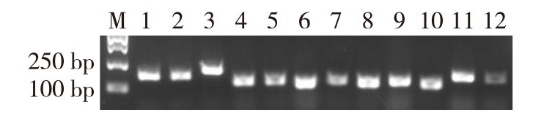
【Objective】The accurate normalisation of quantitative real-time PCR(qRT-PCR)data is contingent on the utilisation of stable reference genes. The objective of this study was to identify and validate suitable reference genes for studying the expression of genes involved in the anthocyanin biosynthesis pathway in two horse chestnut species: Aesculus hippocastanum(common horse chestnut)and A. × carnea(red horse chestnut)are two different species of horse chestnut. Anthocyanins are vital pigments that are responsible for the red,purple and blue colours observed in flowers. In order to comprehend the metabolic regulation of these pigments,reliable gene expression profiling is essential. The selection of optimal reference genes is critical to ensure accurate and reproducible results in qRT-PCR analyses under specific experimental conditions,such as different flower developmental stages and tissue types.【Method】In light of the extant transcriptome data from A. hippocastanum and A. × carnea,a total of twelve candidate reference genes were selected for subsequent validation. The expression stability of the genes under investigation was systematically evaluated across a range of samples,including flowers at different developmental stages and diverse tissues. qRT-PCR was performed to amplify the genes of interest,and their stability was then ranked using four widely recognised algorithms: geNorm,NormFinder,BestKeeper and RefFinder. Each algorithm employs a distinct statistical approach to assess gene stability,thereby providing a comprehensive evaluation. In order to validate the suitability of the selected reference genes,ten key genes involved in anthocyanin synthesis were chosen for expression analysis. These included structural genes such as trans-cinnamate 4-hydroxylase(C4H),chalcone isomerase(CHI),flavonoid 3'-hydroxylase(F3'H),dihydroflavonol 4-reductase(DFR). The following enzymes and regulatory transcription factors genes were identified in the study: flavonoid 3'5'-hydroxylase(F3'5'H),anthocyanidin synthase(ANS),and flavonoid glucosyltransferase(UFGT),along with regulatory transcription factors genes MYB4bHLH,and WRKY75. The expression patterns of the genes under investigation were examined in flowers of different colours. The relative expression values were then normalized using the top-ranked reference genes. These values were then compared with transcriptomic data in order to confirm consistency and reliability.【Result】The stability of reference genes varied depending on the sample type. In flowers at different stages of development in both A. hippocastanum and A. × carnea,glyceraldehyde-3-phosphate dehydrogenase(GAPDH),ubiquitin-conjugating enzyme(UBC),and eukaryotic translation initiation factor 5A(EIF5A)exhibited the highest expression stability,while histone H3(HIS3)and polyubiquitin-A(UBQ)showed the lowest stability. In contrast,when different tissues were compared,GAPDHUBC,and peptidyl-prolyl cis-trans isomerase pin1(CYP)were identified as the most stable,whereas UBQ and tubulin alpha chain(TUB)were the least stable. In general,GAPDH and UBC were found to be the most appropriate reference genes across both sample sets,while UBQ was identified as the least suitable. The validity of these genes was further confirmed by normalising the expression of the ten anthocyanin-related genes using four different strategies. The study utilised a range of experimental groups,including GAPDH alone,UBC alone,a combination of GAPDH and UBC,and a three-gene combination including GAPDHUBC and CYP. The relative expression levels obtained through these normalisation methods exhibited strong agreement with the expression trends observed in the transcriptome data,thus confirming that the use of these reference genes ensures accurate and reliable quantification of target gene expression.【Conclusion】This study demonstrates that GAPDH and UBC,either as individual reference genes or in combination,are optimal for qRT-PCR analysis of anthocyanin biosynthesis genes in A. hippocastanum and A. × carnea. The stability of these genes across different stages of flower development and various tissue types provides a robust foundation for future expression studies. The utilisation of these reference genes will enable precise investigation into the molecular mechanisms underlying flower colour formation in these species,thereby supporting further functional genomic research and biotechnological applications aimed at modulating pigment accumulation in horse chestnuts.
Key words

Aesculus hippocastanum. / A. × carnea / anthocyanin biosynthesis / reference genes / qRT-PCR / gene expression

Cite this article

Download Citations
LI Yuling , MAO Xin , MAO Xiuhong , et al . Screening of qRT-PCR internal reference genes for flower colour-related genes in Aesculus hippocastanum and A. × carnea[J]. Journal of Nanjing Forestry University (Natural Sciences Edition). 2026, 50(3): 201-211 https://doi.org/10.12302/j.issn.1000-2006.202402020

References

[1]
HARRIS A, XIANG Q Y, THOMAS D T. and biogeographic history of Aesculus L.(Sapindales)-an update from combined analysis of DNA sequences,morphology,and fossils[J]. TAXON, 2009, 58(1):108-126. DOI: 10.1002/tax.581012.
[2]
XIANG Q Y, CRAWFORD D J, WOLFE A D, et al. Origin and biogeography of Aesculus L.(Hippocastanaceae):a molecular phylogenetic perspective[J]. Evolution, 1998, 52(4):988-997. DOI: 10.1111/j.1558-5646.1998.tb01828.x.
[3]
ZHANG Z Z, LI S Y, LIAN X Y. An overview of genus Aesculus L.:ethnobotany,phytochemistry,and pharmacological activities[J]. Pharmaceutical Crops, 2010, 1(1):24-51. DOI: 10.2174/2210290601001010024.
[4]
AVTZIS N D, AVTZIS D N, VERGOS S G, et al. A contribution to the natural distribution of Aesculus hippocastanum (Hippocastanaceae) in Greece[J]. Phytologia Balcanica, 2007, 13(2):183-187. Corpus ID: 131093940.
[5]
FELIPE M B M C, DE CARVALHO F M, FÉLIX-SILVA J, et al. Evaluation of genotoxic and antioxidant activity of an Aesculus hippocastanum L.(Sapindaceae) phytotherapeutic agent[J].Biomedicine & Preventive Nutrition, 2013, 3(3):261-266. DOI: 10.1016/j.bionut.2012.10.014.
[6]
DUDEK-MAKUCH M, STUDZINSKA-SROKA E. Horse chestnut-efficacy and safety in chronic venous insufficiency:an overview[J]. Revista Brasileira de Farmacognosia, 2015, 25(5):533-541. DOI: 10.1016/j.bjp.2015.05.009.
[7]
KEDZIERSKI B, KUKULA-KOCH W, WIDELSKI J, et al. Impact of harvest time of Aesculus hippocastanum seeds on the composition,antioxidant capacity and total phenolic content[J]. Industrial Crops and Products, 2016, 86:68-72. DOI: 10.1016/j.indcrop.2016.03.034.
[8]
SKOVSTED A. Cytological investigations of the genus Aesculus l:with some observations on Aesculus carnea Willd.,a tetraploid species arisen by hybridization[J].Hereditas, 2010, 12(1/2):64-70. DOI: 10.1111/j.1601-5223.1929.tb02498.x.
[9]
BIELARSKA A M, JASEK J W, KAZIMIERCZAK R, et al. Red horse chestnut and horse chestnut flowers and leaves:a potential and powerful source of polyphenols with high antioxidant capacity[J]. Molecules, 2022, 27(7):2279. DOI: 10.3390/molecules27072279.
[10]
ZHANG N, JING P. Anthocyanins in Brassicaceae:composition,stability,bioavailability,and potential health benefits[J]. Critical Reviews in Food Science and Nutrition, 2022, 62(8):2205-2220. DOI: 10.1080/10408398.2020.1852170.
[11]
CIRILLO V, D’AMELIA V, ESPOSITO M, et al. Anthocyanins are key regulators of drought stress tolerance in tobacco[J]. Biology, 2021, 10(2):139. DOI: 10.3390/biology10020139.
[12]
NAING A H, KIM C K. Abiotic stress-induced anthocyanins in plants:their role in tolerance to abiotic stresses[J]. Physiologia Plantarum, 2021, 172(3):1711-1723. DOI: 10.1111/ppl.13373.
[13]
CHEN L H, HU B, QIN Y H, et al. Advance of the negative regulation of anthocyanin biosynthesis by MYB transcription factors[J]. Plant Physiology and Biochemistry, 2019, 136:178-187. DOI: 10.1016/j.plaphy.2019.01.024.
[14]
DONG Z D, CHEN P S, ZHANG N, et al. Evaluation of reference genes for quantitative real-time PCR analysis of gene expression in Hainan medaka (Oryzias curvinotus)[J]. Gene Reports, 2019, 14:94-99. DOI: 10.1016/j.genrep.2018.11.008.
[15]
BUTTERFIELD D A, HARDAS S S, LANGE M L B. Oxidatively modified glyceraldehyde-3-phosphate dehydrogenase (GAPDH) and Alzheimer’s disease:many pathways to neurodegeneration[J]. Journal of Alzheimer’s Disease, 2010, 20(2):369-393. DOI: 10.3233/JAD-2010-1375.
[16]
DOMINGUEZ R, HOLMES K C. Actin structure and function[J]. Annual Review of Biophysics, 2011, 40:169-186. DOI: 10.1146/annurev-biophys-042910-155359.
[17]
LEHMANN S G, BOURGOIN-VOILLARD S, SEVE M, et al. Tubulin beta-3 chain as a new candidate protein biomarker of human skin aging:a preliminary study[J]. Oxidative Medicine and Cellular Longevity, 2017, 2017:5140360. DOI: 10.1155/2017/5140360.
[18]
姚李祥, 潘春柳, 余丽莹, 等. 草果种子休眠解除过程中QRT-PCR内参基因筛选[J]. 中国中药杂志, 2021, 46(15):3832-3837.
YAO L X, PAN C L, YU L Y, et al. Selection of qRT-PCR reference genes for Amomum tsaoko seeds during dormancy release[J]. China Journal of Chinese Materia Medica, 2021, 46(15):3832-3837. DOI: 10.19540/j.cnki.cjcmm.20210523.101.
[19]
杨阳, 叶碧欢, 宋其岩, 等. 多花黄精块茎发育和胁迫条件下QPCR内参基因的筛选与验证[J]. 中国中药杂志, 2020, 45(24):5967-5975.
YANG Y, YE B H, SONG Q Y, et al. Selection and validation of internal reference genes for QPCR in Polygonatum cyrtonema tubers at different development stages and in response to abiotic stress[J]. China Journal of Chinese Materia Medica, 2020, 45(24):5967-5975. DOI: 10.19540/j.cnki.cjcmm.20200927.101.
[20]
刘小飞, 于波, 黄丽丽, 等. 杜鹃红山茶实时定量PCR内参基因筛选及验证[J]. 广东农业科学, 2020, 47(12):203-211.
LIU X F, YU B, HUANG L L, et al. Screening and validation of reference genes of Camellia azalea by Quantitative real-time PCR[J]. Guangdong Agricultural Sciences, 2020, 47(12):203-211. DOI: 10.16768/j.issn.1004-874x.2020.12.021.
[21]
张雪, 王荔, 瞿飞, 等. 红梨实时荧光定量PCR内参基因的筛选[J]. 农业生物技术学报, 2019, 27(2):361-370.
ZHANG X, WANG L, QU F, et al. Reference gene screening for real-time quantitative PCR in red pear(Pyrus pyrifolia)[J]. Journal of Agricultural Biotechnology, 2019, 27(2):361-370. DOI: 10.3969/j.issn.1674-7968.2019.02.019.
[22]
苏西娅, 石元豹, 杨晓明, 等. 银杏实时荧光定量PCR分析中内参基因的选择与验证[J]. 植物生理学报, 2019, 55(6):875-882.
SU X Y, SHI Y B, YANG X M, et al. Selection and validation of reference genes for quantitative real-time PCR analysis in Ginkgo biloba[J].Plant Physiology Journal, 2019, 55(6):875-882. DOI: 10.13592/j.cnki.ppj.2018.0512.
[23]
许丹芸, 张辉菊, 刘基柱, 等. 肉桂和大叶清化桂内参基因的筛选和验证[J]. 中国实验方剂学杂志, 2021, 27(4):137-144.
XU D Y, ZHANG H J, LIU J Z, et al. Selection and validation of appropriate reference genes of Cinnamomum cassia and Cinnamomum cassia var. macrophyllum[J].Chinese Journal of Experimental Traditional Medical Formulae, 2021, 27(4):137-144. DOI: 10.13422/j.cnki.syfjx.20210219.
[24]
CHEN M D, WANG B, LI Y P, et al. Reference gene selection for qRT-PCR analyses of luffa (Luffa cylindrica) plants under abiotic stress conditions[J]. Scientific Reports, 2021, 11:3161. DOI: 10.1038/s41598-021-81524-w.
[25]
YU Y T, ZHANG G, CHEN Y K, et al. Selection of reference genes for QPCR analyses of gene expression in ramie leaves and roots across eleven abiotic/biotic treatments[J]. Scientific Reports, 2019, 9:20004. DOI: 10.1038/s41598-019-56640-3.
[26]
李永平, 叶新如, 王彬, 等. 黄秋葵实时荧光定量PCR内参基因的克隆与筛选评价[J]. 核农学报, 2021, 35(1):60-71.
LI Y P, YE X R, WANG B, et al. Cloning and selection evaluation of reference gene for quantitative real-time PCR in Hibiscus esculentus L[J]. Journal of Nuclear Agricultural Sciences, 2021, 35(1):60-71. DOI: 10.11869/j.issn.100-8551.2021.01.0060.
[27]
肖翠, 严佳文, 龙桂友, 等. 柑橘内参基因的稳定性评价[J]. 果树学报, 2012, 29(6):978-984.
XIAO C, YAN J W, LONG G Y, et al. Stability evaluation of reference genes in Citrus[J]. Journal of Fruit Science, 2012, 29(6):978-984. DOI: 10.13925/j.cnki.gsxb.2012.06.010.
[28]
叶勇, INGWE H L, 郑子飞, 等. 梅花花色合成基因的QPCR内参基因筛选及验证[J]. 农业生物技术学报, 2023, 31(12):2674-2684.
YE Y, INGWE H, ZHENG Z F, et al. Screening and validation of reference genes for qPCR analysis of flower color synthesis genes in Prunus mume[J].Journal of Agricultural Biotechnology, 2023, 31(12):2674-2684. DOI: 10.3969/j.issn.1674-7968.2023.12.021.
[29]
马璐琳, 段青, 王祥宁, 等. 桔梗不同花色实时定量PCR内参基因的筛选及验证[J/OL]. 分子植物育种, 2022:1-15.(2022-11-17). https://kns.cnki.net/kcms/detail/46.1068.S.20221116.1153.014.html.
MA L L, DUAN Q, WANG X N, et al. Screening and verification of real-time quantitative PCR internal reference genes of Platycodon grandiflorum with different colors[J/OL].Molecular Plant Breeding,2022:1-15.(2022-11-17). https://kns.cnki.net/kcms/detail/46.1068.S.20221116.1153.014.html.
[30]
王彦杰, 陈叶清, 薛泽云, 等. 荷花花瓣着色过程实时荧光定量PCR内参基因的筛选及验证[J]. 南京农业大学学报, 2017, 40(3):408-415.
WANG Y J, CHEN Y Q, XUE Z Y, et al. Selection and validation of reference genes for RT-qPCR normalization in lotus(Nelumbo nucifera) during petal coloration[J]. Journal of Nanjing Agricultural University, 2017, 40(3):408-415. DOI: 10.7685/jnau.201609033.
[31]
马璐琳, 段青, 崔光芬, 等. 钝裂银莲花花色素合成相关基因qRT-PCR内参基因的筛选[J]. 园艺学报, 2021, 48(2):377-388.
MA L L, DUAN Q, CUI G F, et al. Selection and validation of reference genes for qRT-PCR analysis of the correlated genes in flower pigments biosynthesis pathway of Anemone obtusiloba[J].Acta Horticulturae Sinica, 2021, 48(2):377-388. DOI: 10.16420/j.issn.0513-353x.2020-0306.
[32]
VANDESOMPELE J, DE PRETER K, PATTYN F, et al. Accurate normalization of real-time quantitative RT-PCR data by geometric averaging of multiple internal control genes[J]. Genome Biology, 2002, 3(7): research0034.1. DOI:10.1186/gb-2002-3-7-research0034.
[33]
ANDERSEN C L, JENSEN J L, ØRNTOFT T F. Normalization of real-time quantitative reverse transcription-PCR data:a model-based variance estimation approach to identify genes suited for normalization, applied to bladder and colon cancer data sets[J]. Cancer Research, 2004, 64(15):5245-5250. DOI: 10.1158/0008-5472.CAN-04-0496.
[34]
PFAFFL M W, TICHOPAD A, PRGOMET C, et al. Determination of stable housekeeping genes,differentially regulated target genes and sample integrity:BestKeeper-Excel-based tool using pair-wise correlations[J]. Biotechnology Letters, 2004, 26(6):509-515. DOI: 10.1023/B:BILE.0000019559.84305.47.
[35]
RIEDEL G, RÜDRICH U, FEKETE-DRIMUSZ N, et al. An ex-tended ΔCT-method facilitating normalisation with multiple reference genes suited for quantitative RT-PCR analyses of human hepatocyte-like cells[J]. PLOS One, 2014, 9(3):e93031. DOI: 10.1371/journal.pone.0093031.
[36]
马璐琳, 崔光芬, 王祥宁, 等. 西南鸢尾花色变异实时定量PCR内参基因的筛选与验证[J]. 核农学报, 2019, 33(9):1707-1716.
MA L L, CUI G F, WANG X N, et al. Selection and validation of reference genes for quantitative real-time PCR analysis in iris bulleyana during flower color variation[J]. Journal of Nuclear Agricultural Sciences, 2019, 33(9):1707-1716. DOI: 10.11869/j.issn.100-8551.2019.09.1707.
[37]
李红英, 陈萌笛, 王政博, 等. 镉胁迫下构树qRT-PCR内参基因筛选及验证[J]. 林业科学研究, 2023, 36(4):129-138.
LI H Y, CHEN M D, WANG Z B, et al. Selection and validation of reference genes of Broussonetia papyrifera for qRT-PCR under cadmium stress[J]. Forest Research, 2023, 36(4):129-138. DOI: 10.12403/j.1001-1498.20220500.
[38]
齐香玉, 陈双双, 冯景, 等. 茉莉花实时荧光定量PCR内参基因的筛选与验证[J]. 华北农学报, 2020, 35(6):22-30.
QI X Y, CHEN S S, FENG J, et al. Selection and validation of candidate reference genes for quantitative real-time PCR in Jasminum sambac aiton[J]. Acta Agriculturae Boreali-Sinica, 2020, 35(6):22-30. DOI: 10.7668/hbnxb.20191401.
[39]
MA Y Y, MA X, GAO X, et al. Light induced regulation pathway of anthocyanin biosynthesis in plants[J]. International Journal of Molecular Sciences, 2021, 22(20):11116. DOI: 10.3390/ijms222011116.
[40]
HE G R, ZHANG R, JIANG S H, et al. The MYB transcription factor RcMYB1 plays a central role in rose anthocyanin biosynthesis[J]. Horticulture Research, 2023, 10(6):uhad080. DOI: 10.1093/hr/uhad080.
[41]
DEVAIAH B N, KARTHIKEYAN A S, RAGHOTHAMA K G. WRKY75 transcription factor is a modulator of phosphate acquisition and root development in Arabidopsis[J].Plant Physiology, 2007, 143(4):1789-1801. DOI: 10.1104/pp.106.093971.
[42]
CONG L, QU Y Y, SHA G Y, et al. PbWRKY75 promotes anthocyanin synthesis by activating PbDFR,PbUFGT,and PbMYB10b in pear[J]. Physiologia Plantarum, 2021, 173(4):1841-1849. DOI: 10.1111/ppl.13525.
[43]
KRIANGPHAN N, VUTTIPONGCHAIKIJ S, KITTIWONGWATTANA C, et al. Effects of sequence and expression of eight anthocyanin biosynthesis genes on floral coloration in four Dendrobium hybrids[J]. The Horticulture Journal, 2015, 84(1):83-92. DOI: 10.2503/hortj.mi-020.
[44]
LV Y, LI Y Y, LIU X H, et al. Identification of ginger (Zingiber officinale Roscoe) reference genes for gene expression analysis[J]. Frontiers in Genetics, 2020, 11:586098. DOI: 10.3389/fgene.2020.586098.
PDF(1754 KB)

Accesses

Citation

Detail

Sections
Recommended
The full text is translated into English by AI, aiming to facilitate reading and comprehension. The core content is subject to the explanation in Chinese.

/